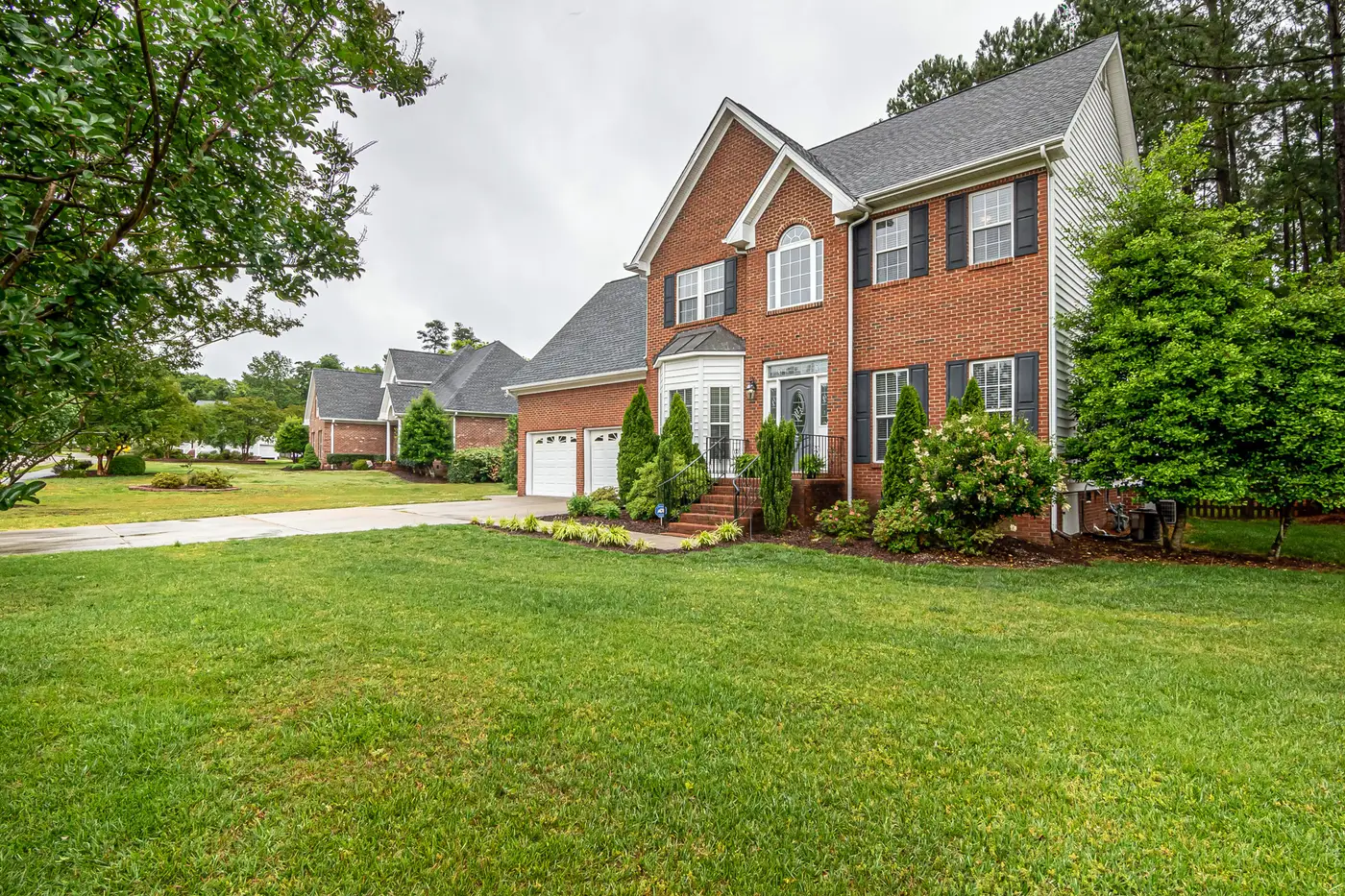
Before any new feature earns a slot in the model, it has to survive a test that isolates what it actually explains. For a curb-appeal or parcel-context signal built from imagery, repeat-sales pairs are the cleanest way to do that, because they hold the parcel itself constant and let you look at what changed.
Why repeat-sales pairs isolate the signal
A hedonic model has to separate location, lot size, structure, and condition all at once, and a new imagery feature can easily pick up variance that belongs to one of the others. A repeat sale sidesteps that. The same parcel, sold twice, controls for location and most of the structural fixed effects by construction. Whatever changed between sale one and sale two is a much shorter list: market conditions, maybe a renovation, and whatever your curb-appeal feature is meant to capture, like landscaping upkeep, driveway condition, or how built-up the surrounding block has gotten.
In practice: pull the log price delta between the two sales, strip out the market-level trend with time dummies or a repeat-sales index, and check whether the change in your imagery feature between the two closest vintages explains any of what's left.
Setting up the pair set
Start with a hold period filter. Pairs with very short gaps between sales are usually flips and carry their own noise; pairs with very long gaps drag in multiple market cycles and make the residual harder to attribute. Most shops already have a working definition of a usable hold period from their existing repeat-sales index work, so reuse it rather than inventing a new cutoff for this test.
Next, match each sale date to the nearest imagery vintage on each side of the pair. Annual cadence means a sale that happens a few months after a flyover gets matched to a feature vector that's already a year stale relative to the transaction, while a sale right before the next flyover gets matched to one that's almost current. Decide up front how you're handling that lag and apply it the same way across the whole pair set, or the noise it introduces will masquerade as model error.
Then build the regression: log price delta as the dependent variable, time-period dummies to absorb the market trend, a renovation flag if you have permit or listing data to build one, and the delta in your curb-appeal vector as the feature under test. The coefficient on that delta, and whether it survives alongside the other controls, is the actual answer to whether the feature carries information your current fields don't already have.
Reading the result honestly
A few things will make the result look worse or better than it is if you don't check for them. Survivorship is the obvious one: you're only looking at parcels that sold twice, which skews toward more liquid, more typical properties and underrepresents whatever your feature might be best at catching. Short hold periods thin out fast once you filter for flips, so check your sample size by hold-period bucket before trusting a coefficient from a bucket with a few hundred pairs.
Annual cadence is the other honest limitation. If a property's curb appeal changes and then changes back between two flyovers, neither vintage sees it, and that pair will look like a null result for reasons that have nothing to do with whether the feature works. Yearly imagery cadence causes this gap, and it's worth stating plainly in whatever writeup goes to the model risk team so a flat coefficient doesn't get read as a clean negative.
This test belongs early, before the feature goes into a live model. A repeat-sales result shows the feature carries signal a hedonic specification doesn't already have. The usual holdout and stability checks still happen once the feature is in production.
If the backtest holds up, the next question is just getting the vector into your pipeline at all. AVM Imagery delivers that as a per-property file keyed to your own record IDs, refreshed on the same annual cycle you'd use for this kind of test. Worth a look if your repeat-sales pairs come back saying the feature earns its place.